



21 Aug Guide to Crack Suppression Membranes for Terrazzo Floors



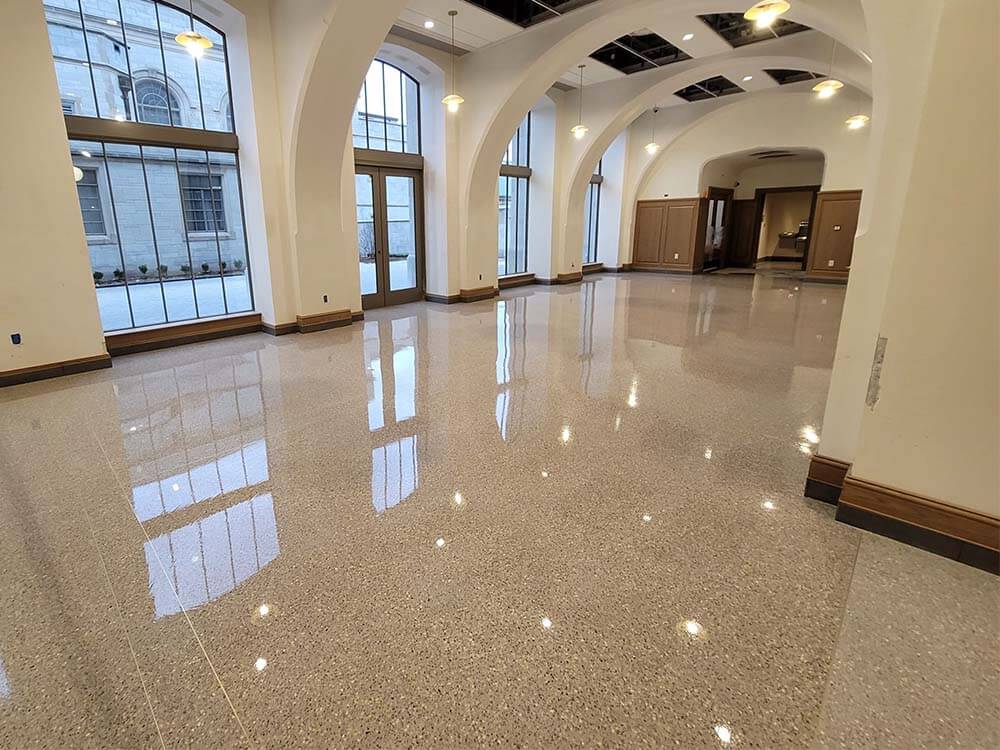
Terrazzo flooring, renowned for its timeless beauty and remarkable durability, can sometimes experience surface cracks that detract from its aesthetics and structural integrity. To address this issue, crack suppression membranes have emerged as a solution aimed at preserving terrazzo floors by preventing cracks from forming and spreading. This comprehensive guide will examine crack suppression membranes, shedding light on their purpose, benefits, and installation methods.

Understanding Cracks in Terrazzo Floors
Despite efforts to prevent them, cracks can develop in terrazzo floors. While skilled installation techniques and proper joint maintenance can minimize cracks, their occurrence is not always avoidable. Terrazzo floors are celebrated for their resilience, and even when cracks do appear, experienced contractors can restore the floor at a fraction of the original installation cost. Occasionally, cracks arise for reasons that even experts can’t predict, similar to concrete cracks.
Various factors contribute to cracks in terrazzo floors, including fluctuations in temperature, concrete settling or shrinkage, and floor heaving. These cracks compromise both the visual appeal and structural soundness of the floor, necessitating repairs. To address these challenges, crack suppression membranes serve as an effective preventive measure.
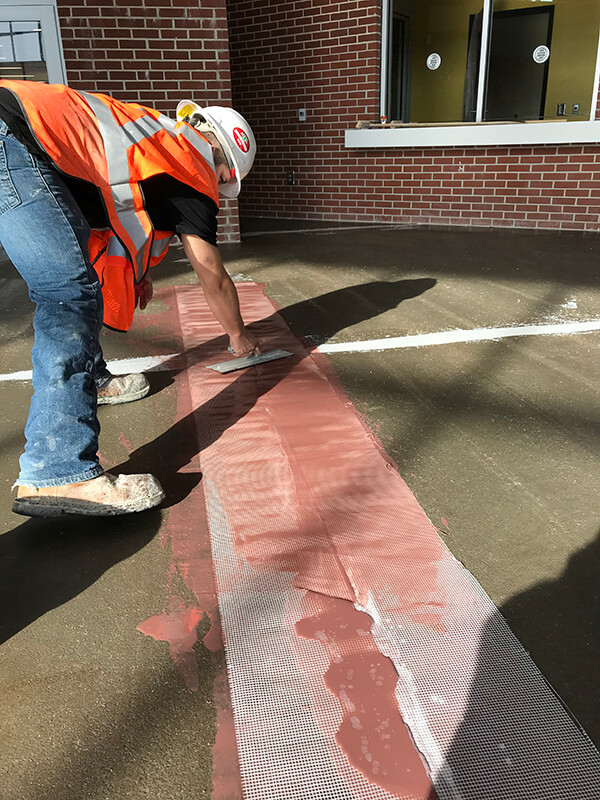
As a standard practice in terrazzo installation, a crack-suppression membrane is applied over the slab to prevent any cracks in the substrate from transferring or appearing on the surface of the terrazzo.
Preventing Cracks in Terrazzo Floors: Several strategies can be employed to prevent cracks from forming in terrazzo floors:
- Assess Existing Substrate Cracks: Before installing terrazzo, examine any cracks in the substrate to understand their cause.
- Treat Substrate and Joints: Properly addressing substrate cracks and honoring joints is crucial to preventing cracks in terrazzo. Applying crack isolation membranes and reinforcing materials to substrate cracks can be effective.
- Use Divider Strips: Incorporating divider strips into the concrete joints of terrazzo floors can help prevent and repair cracks.
- Implement Control Joints: For projects involving slab-on-deck, control joints can be employed to accommodate movement and minimize cracks.
What Are Crack Suppression Membranes?
Crack suppression membranes are specialized materials designed to inhibit the propagation of cracks from the substrate to the surface of terrazzo floors. These membranes counteract various issues, including thermal changes and heaving, that might lead to cracks independently of the substrate. By absorbing and distributing stress caused by substrate movements, crack suppression membranes prevent cracks from reaching the terrazzo topping. Applying these membranes to conspicuous cracks and joints proactively preserves the floor’s structural integrity and flawless appearance.
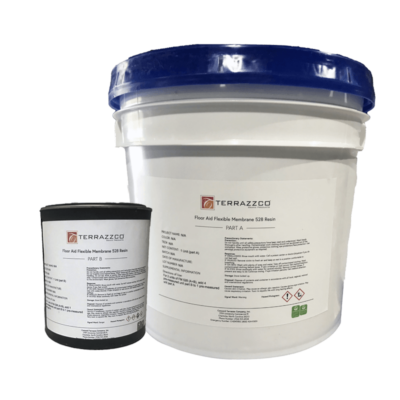
PRODUCT ALERT: TERRAZZCO Floor Aid Flexible Membrane 528
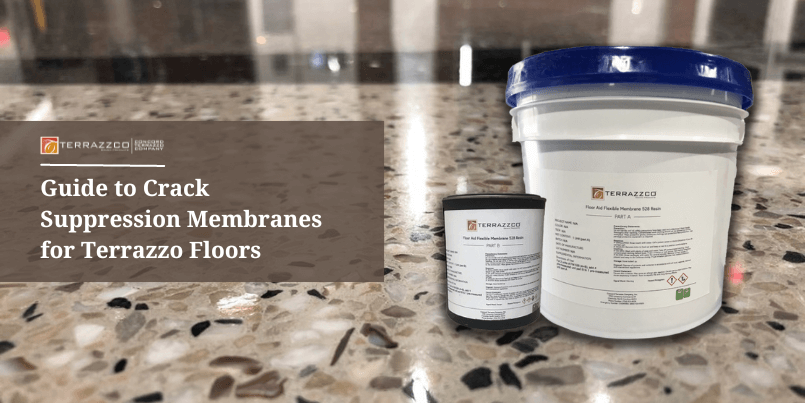
Concord Terrazzo Company offers TERRAZZCO Floor Aid Flexible Membrane 528, a 100% solids, VOC-free two-component epoxy resin. This solution is applied to concrete to prevent substrate cracks from transferring to the terrazzo topping. Terrazzo floors made using TERRAZZCO Brand Products boast durability and decorative appeal, resulting in reduced maintenance costs and long-lasting flooring solutions.
Contact Concord Terrazzo Company to order this material for your terrazzo projects.
Benefits of Using Crack Suppression Membranes
Incorporating crack suppression membranes into terrazzo floor installations offers several benefits. These membranes significantly extend the lifespan of terrazzo floors by preventing cracks that can lead to further damage. This, in turn, reduces maintenance expenses and maintains the seamless appearance of the terrazzo.
Beyond aesthetics, these membranes enhance the structural stability of terrazzo floors, minimizing tripping hazards and ensuring the floor’s longevity. This makes them a crucial investment for residential and commercial spaces alike.
Installing Crack Suppression Membranes in Terrazzo Flooring
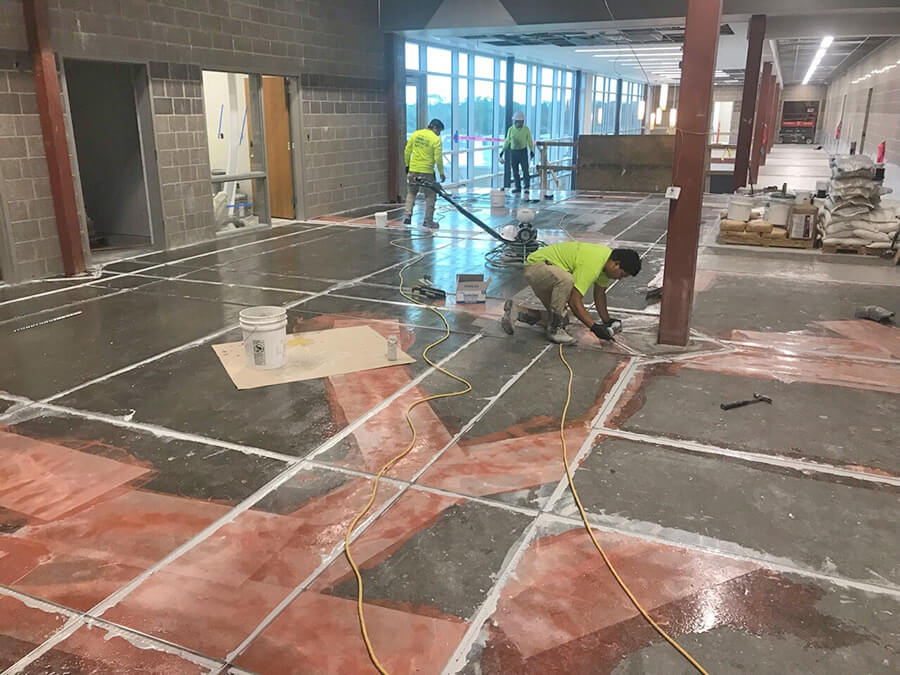
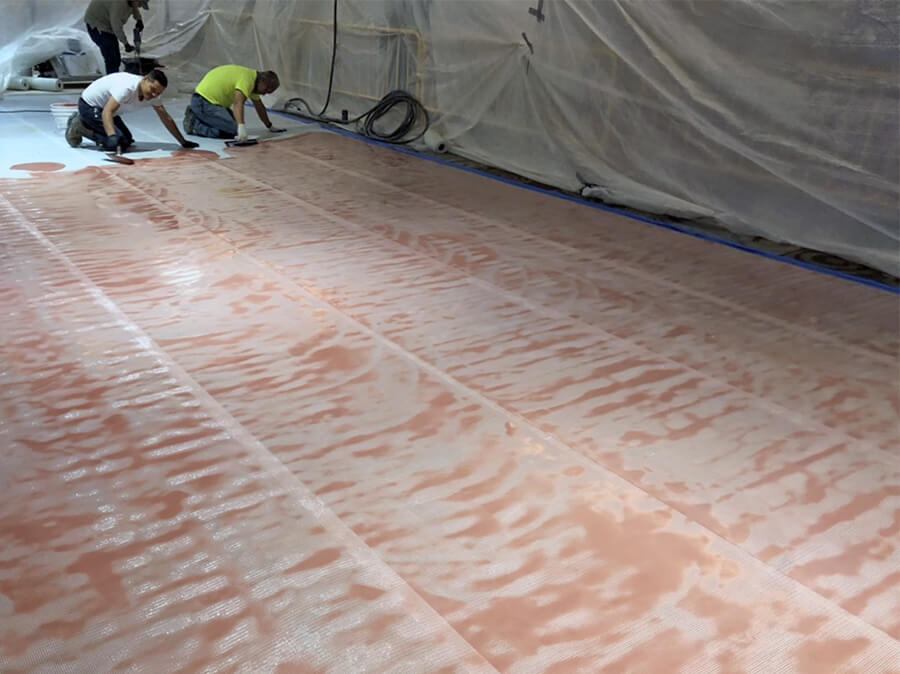
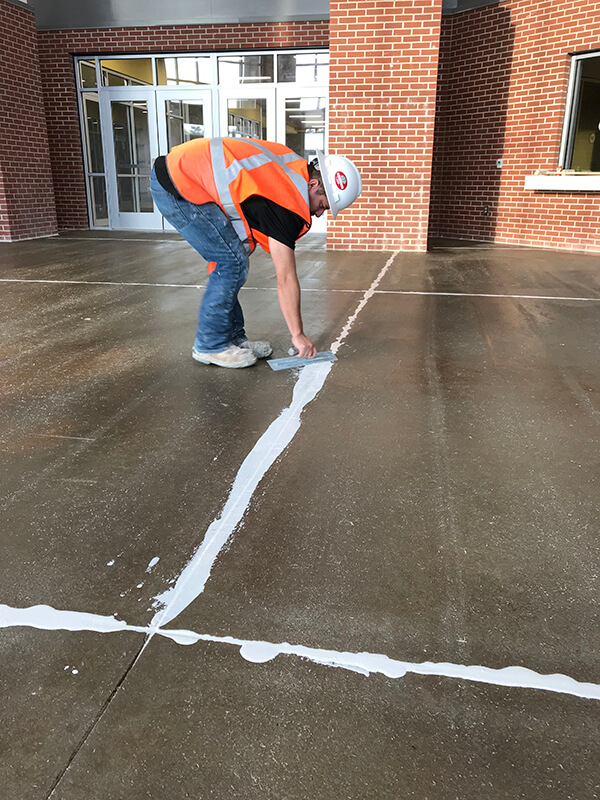
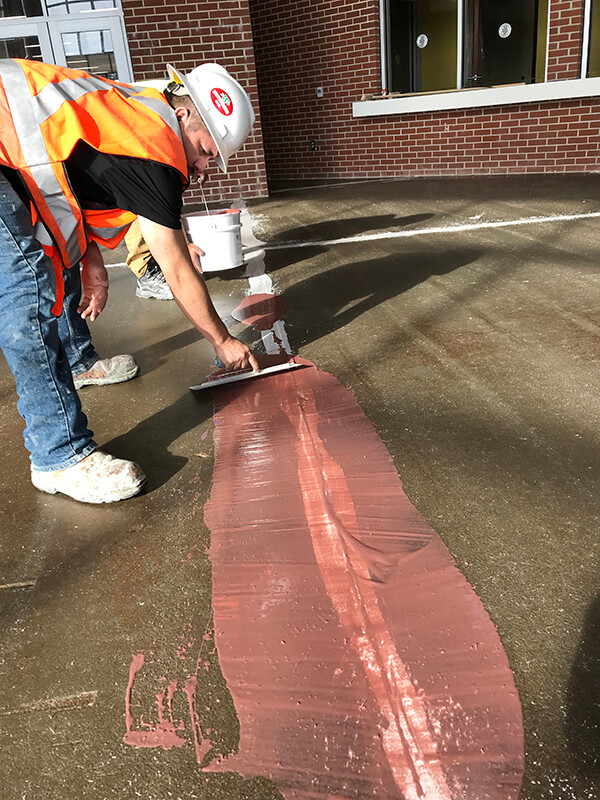
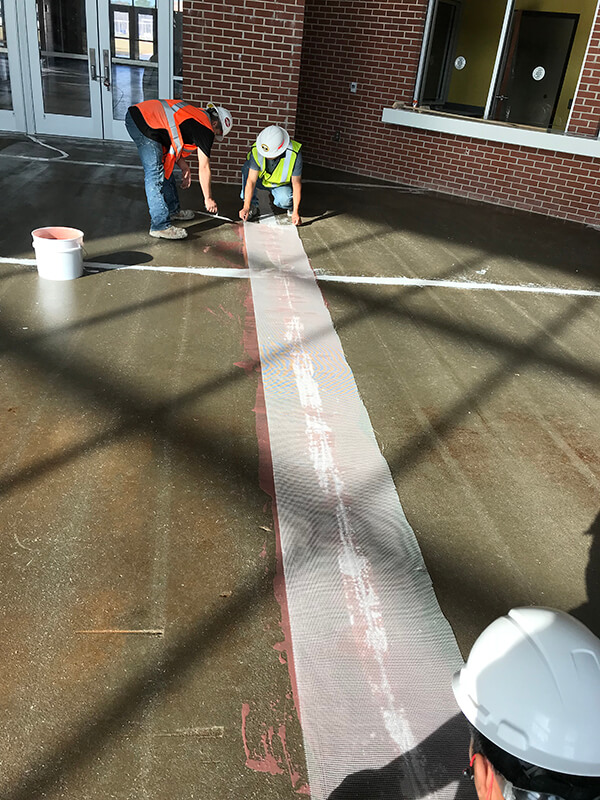
The installation of crack suppression membranes takes place during surface preparation. To address inherent concrete cracking due to slab shrinkage, fissures are cleaned, filled with rigid epoxy, and treated with liquid-applied membranes and approved reinforcement
Control joints and saw cuts should be honored in the terrazzo overlay whenever possible.
Conclusion: Investing in the Longevity of Terrazzo Floors
In summary, crack suppression membranes play a vital role in preserving the beauty and durability of terrazzo floors. By preventing cracks from forming and spreading, these membranes contribute to the longevity, safety, and aesthetic appeal of terrazzo surfaces. Whether for residential renovations or commercial projects, considering crack suppression membranes is a prudent step toward ensuring that your investment in terrazzo flooring stands the test of time.
Contact Concord Terrazzo Company to learn more about TERRAZZCO® Floor Aid Flexible Membrane 528. View Product.