



02 Jun Choosing Sustainable Materials for Terrazzo



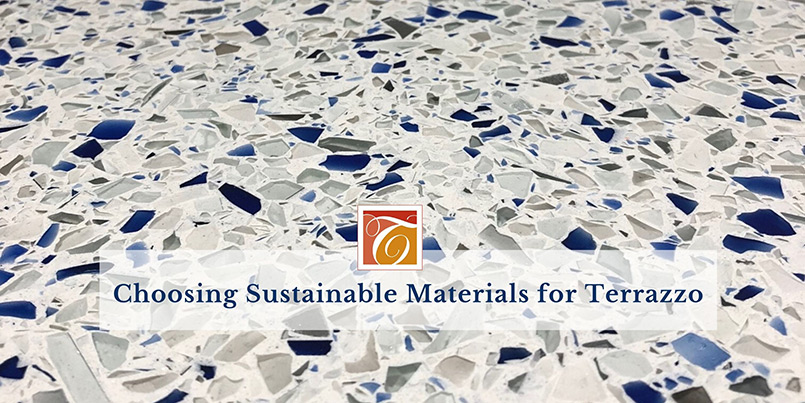
Sustainable Building Materials for Terrazzo
The green movement is happening. As a result, architects and designers are seeking building materials today that can contribute to LEED Point Credits. These are credits that can be gained through commercial and residential projects. Sustainable architecture focuses on the use of resources and its environmental impact.
The LEED Rating System focuses on these key areas:
- Impact on site and location
- Water efficiency
- Energy efficiency
- Material selection
- Indoor Environmental Quality
- Innovation
What products should be chosen? One ecological material used in sustainable architectural projects is terrazzo, which satisfies LEED certification standards. Designers can add pre-consumer and post-consumer aggregates to the terrazzo mix, resulting in a one-of-a-kind sustainable flooring solution. Terrazzo flooring not only consists of recycled materials but have VOC free components. As a result, the likelihood of outgassing is reduced immensely.
Designing Green with Terrazzo
Take a look at how terrazzo can contribute to LEED points when you download our sustainability guide “Designing Green with Terrazzo”. Inside you will find information on indoor air quality, and how terrazzo can assist architects and interior designers meet sustainability goals.
Try Our Green Terrazzo System
Concord Terrazzo Company introduced Green Terrazzo to the market, offering architects and designers with more healthier terrazzo products for their commercial buildings. Green Terrazzo is an epoxy terrazzo system made from renewable ingredients that are not Red Listed. This terrazzo product is designed to support modern sustainable building practices that promote human health and protect the environment.
What makes a building material environmentally-friendly?
Environmentally-friendly materials (green building materials) have low environmental impact. Whether through production, installation or maintenance, these building materials benefit the environment and the people that use sustainable buildings.
We can define sustainable building materials as durable, reusable or recycable, and regionally-sourced.
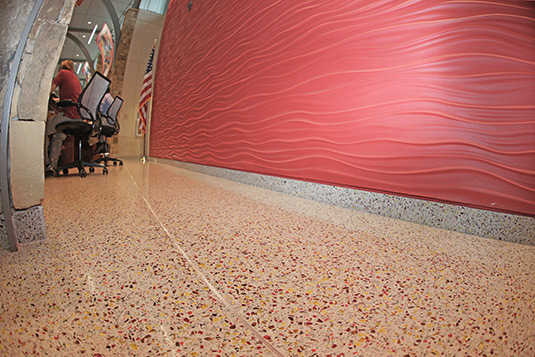
Where can recycled materials be located?
When looking for sustainable building materials, often you can find what you need locally. In fact, LEED points are awarded for architectural and design projects for use of products manufactured within 500 miles of a project’s site.
Manufacturers can reuse waste supplied from sectors in producing their own building materials.
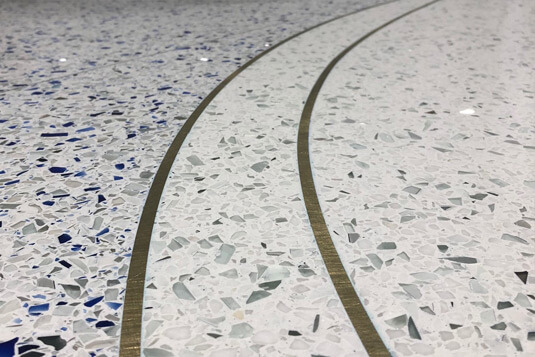
Take for instance epoxy terrazzo. Aggregates are a great example of recycled materials used in terrazzo floors. Manufacturers can bring in quarry waste or glass waste to crush aggregates to different sizes, which can be used to create many different combinations of designs. Existing terrazzo floors in older buildings can be salvaged by restoring a project or broken down and recycled once again for a new terrazzo finish.
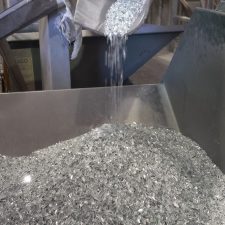
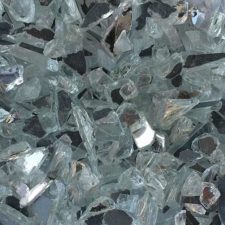
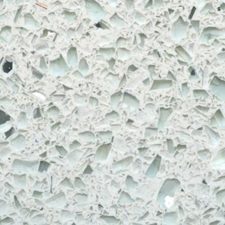
Sustainable Building Supply At TERRAZZCO
At Concord Terrazzo Company, we take pride in delivering a green terrazzo finish for those looking for sustainable building materials for their terrazzo projects. TERRAZZCO® Brand Products carries a supply of recycled materials to meet this cause such as recycled glass, recycled porcelain, and recycled concrete. Concord Terrazzo Company crushes, cleans, and packages all aggregate chips at our Charlotte location. We have a variety of aggregates in supply that are both beautiful for design purposes and affordable. These aggregates are great additions in many applications such as floors, precast stairs, wall bases and countertops.
During the installation process, materials are efficiently used, reducing waste in the process. In fact, epoxy terrazzo is thin in size at a one-quarter inch, making it very resourceful in large areas of space. TERRAZZCO epoxy resins are tested and proven to have zero VOCs, improving the overall indoor air quality of projects using TERRAZZCO materials.
On top of the terrazzo, we apply a sealer to help protect the flooring. As a result, your terrazzo floors can resist stain, scratches, and other damages. The important fact to know here is that by maintaining your floors properly, the less likely the floor will need replacing. This helps conserve Earth’s valuable resources in the long run.
The LEED Rating System recognizes the positive environmental benefits of using sustainable and regionally produced materials. Since terrazzo uses recycled materials, architects and designers will benefit from using aggregates from TERRAZZCO® Brand Products.
Conclusion
There are many aggregates that a designer can include with a terrazzo floor. We encourage you to view our aggregates to find the perfect choice for your next project. If you have questions about our supply of aggregates then please contact Concord Terrazzo Company and we will gladly provide further details about TERRAZZCO® Brand Products. Reach out to us via email at info@terrazzco.com or complete our online form.